In today’s rapidly evolving urban landscapes, real estate agents play a far more significant role than simply closing deals. They act as vital connectors who influence how neighborhoods develop and how communities grow socially.
With cities facing challenges like gentrification, housing shortages, and shifting demographics, understanding the impact of these professionals is crucial.
Whether you’re a homeowner, renter, or just curious about urban life, exploring how real estate agents shape social dynamics offers eye-opening insights.
Stick around as we dive into the powerful ways these agents affect the places we call home and the relationships within them.
The Changing Role of Real Estate Agents in Community Development
From Transaction Facilitators to Neighborhood Advocates
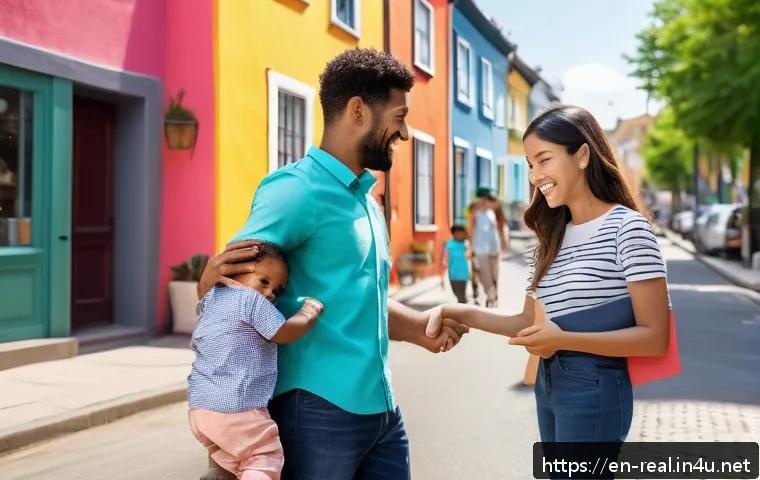
Real estate agents today are much more than middlemen who help buyers and sellers sign contracts. They often serve as informal community advocates, helping newcomers understand the local culture and history.
By providing insights on schools, parks, and neighborhood events, agents influence how new residents integrate socially. I’ve noticed firsthand that agents who take the time to share these local nuances can foster a stronger sense of belonging among residents, which naturally strengthens community bonds.
This shift from mere transactional roles to community-centered guidance marks a significant evolution in the profession.
Balancing Market Pressures with Social Responsibility
Agents constantly juggle the demands of a competitive housing market with the responsibility to support sustainable community growth. For instance, in rapidly gentrifying neighborhoods, they face ethical dilemmas about pricing properties that might displace long-term residents.
Some agents actively seek to connect buyers with affordable housing options or advocate for inclusive zoning policies. From my experience, the best agents are those who openly discuss these challenges with clients, promoting transparency and encouraging decisions that consider social impact alongside financial gain.
The Agent’s Influence on Neighborhood Identity
The way agents market properties and neighborhoods can significantly shape perceptions and identities. They often highlight unique features or histories that appeal to specific demographics, which can gradually redefine a community’s character.
I’ve seen cases where an agent’s storytelling creates a buzz around an area, attracting new businesses and cultural activities. This ripple effect extends beyond sales and into how residents view themselves and their neighborhood, subtly steering social dynamics and local pride.
Real Estate Agents and the Dynamics of Gentrification
Agents as Gatekeepers of Neighborhood Change
Gentrification is a hot-button issue in many urban areas, and real estate agents often find themselves at its center. By promoting properties to wealthier buyers or emphasizing trendy amenities, agents can accelerate demographic shifts.
However, some agents consciously work to balance these changes by supporting community-based initiatives or collaborating with local nonprofits to help existing residents stay put.
In my conversations with agents, those who embrace this dual role tend to foster healthier, more inclusive neighborhood transitions.
Mitigating Displacement Through Informed Sales Practices
Displacement is a painful consequence of gentrification, and agents can play a pivotal role in mitigating it. For example, agents who inform sellers about the potential social impact of pricing decisions and encourage offers from local buyers help maintain community stability.
I’ve encountered agents who partner with housing organizations to identify affordable options, showing that the industry can adopt more socially conscious practices.
These efforts not only protect vulnerable populations but also build trust between agents and the communities they serve.
Promoting Equitable Development in Urban Areas
Some real estate professionals champion equitable development by advocating for policies that balance growth with affordability. They participate in community meetings, influence local planning, and advise clients on long-term neighborhood trends.
From what I’ve observed, agents who actively engage in these processes contribute to more thoughtful urban development that benefits a broader spectrum of residents rather than just investors or newcomers.
How Agents Shape Social Connections Within Neighborhoods
Facilitating Social Networks for New Residents
When someone moves into a new area, the social integration process can feel daunting. Real estate agents often act as informal social connectors by introducing buyers or renters to local groups, events, and services.
In my experience, agents who go the extra mile to connect clients with neighborhood associations or community gatherings help foster early social ties that ease adjustment and promote lasting friendships.
Building Trust Through Personalized Service
Trust is the foundation of any social network, and agents build this by providing personalized, attentive service. I’ve noticed that clients often feel more comfortable settling into a neighborhood when their agent has taken the time to understand their lifestyle and preferences.
This personalized approach not only boosts client satisfaction but also creates a ripple effect where positive word-of-mouth strengthens the overall community fabric.
The Role of Agents in Encouraging Civic Engagement
Agents can also encourage new residents to participate in local governance or volunteer opportunities, boosting civic engagement. By highlighting the importance of voting in local elections or attending town halls, agents help foster a sense of ownership and responsibility.
I find this role particularly impactful because engaged residents are more likely to advocate for neighborhood improvements, making the community stronger and more resilient.
Economic Impact of Real Estate Agents on Urban Communities
Driving Local Business Growth Through Housing Trends
As neighborhoods evolve, agents influence economic activity by directing new residents toward local businesses. For example, when an agent highlights nearby cafes, shops, or services during a showing, it encourages support for those establishments.
From what I’ve seen, this relationship between real estate and local commerce can stimulate job creation and diversify the neighborhood economy, benefiting both longtime and new residents.
Real Estate Agents and Property Value Fluctuations
Agents’ pricing strategies and marketing efforts directly affect property values, which in turn influence municipal revenues and public services. I’ve noticed that when agents promote improvements or community amenities, it often leads to increased demand and rising prices.
While this can boost economic vitality, it also raises concerns about affordability, making it critical for agents to balance market enthusiasm with responsible messaging.
Encouraging Sustainable Urban Investments
Some agents specialize in green or sustainable properties, helping steer urban development toward environmentally friendly practices. By educating clients on energy-efficient homes or eco-conscious community projects, these agents contribute to broader sustainability goals.
Personally, I’ve worked with agents who are passionate about this niche, and their efforts often align with growing consumer interest in reducing environmental footprints.
Real Estate Agents as Cultural Intermediaries
Preserving Local Heritage Through Storytelling
Agents often serve as cultural storytellers, sharing the history and unique features of neighborhoods with prospective buyers. This role helps preserve local heritage by raising awareness and appreciation for historic sites, architecture, and traditions.
I’ve found that agents who weave these narratives into their sales approach inspire clients to value and protect the cultural fabric of their new communities.
Bridging Diverse Communities
Urban neighborhoods are increasingly diverse, and agents act as bridges by connecting buyers from different backgrounds with welcoming spaces. This role requires cultural sensitivity and a deep understanding of community dynamics.
Agents who embrace diversity foster inclusivity and help break down social barriers, which I believe is essential for vibrant, cohesive neighborhoods.
Shaping Perceptions Through Marketing Strategies
The way agents market properties and neighborhoods can influence public perceptions and social attitudes. By choosing which stories to highlight or downplay, agents shape how communities are seen both internally and externally.
From my perspective, ethical marketing that respects all community members promotes pride and unity rather than division.
Understanding the Long-Term Social Ripple Effects of Real Estate Transactions
The Impact on Neighborhood Stability
Frequent property turnover can disrupt neighborhood stability, affecting social ties and community trust. Real estate agents who encourage long-term residency or support programs that help people stay in their homes contribute to social cohesion.
I’ve worked with agents who prioritize these values, and the difference in neighborhood atmosphere is palpable—there’s a deeper sense of continuity and mutual support.
Influencing Demographic Shifts and Social Equity
The clients agents bring into neighborhoods inevitably influence demographic makeup and social equity. Thoughtful agents consider these outcomes when matching buyers to homes, aiming to support balanced, inclusive communities.
In my experience, agents who openly discuss these implications with clients promote greater awareness and more socially responsible decisions.
Agents as Stewards of Community Well-Being
Ultimately, agents can act as stewards of community well-being by advocating for practices that enhance quality of life for all residents. Whether through ethical sales tactics, community involvement, or education, their role extends beyond business to shaping the social health of neighborhoods.
I’ve seen this stewardship foster genuine connections and a shared commitment to place, which is invaluable in today’s fast-changing urban environments.
| Aspect | Positive Agent Impact | Potential Challenges | Examples of Agent Actions |
|---|---|---|---|
| Community Integration | Facilitating local introductions and sharing neighborhood culture | Overlooking existing community dynamics | Organizing neighborhood tours, recommending local events |
| Gentrification | Supporting affordable housing initiatives | Accelerating displacement through aggressive marketing | Partnering with nonprofits, advising on ethical pricing |
| Economic Growth | Promoting local businesses and sustainable investments | Driving up property prices, risking affordability | Highlighting green homes, referring clients to local shops |
| Cultural Preservation | Sharing neighborhood history and fostering diversity | Selective marketing that may alienate some groups | Storytelling in listings, cultural sensitivity training |
| Social Stability | Encouraging long-term residency and community involvement | Frequent turnover disrupting social ties | Supporting homeowner programs, educating buyers on community benefits |
In Conclusion
Real estate agents today play a far more dynamic role than simply facilitating transactions. Their influence extends deeply into community development, social cohesion, and cultural preservation. By balancing market demands with social responsibility, agents contribute to healthier, more inclusive neighborhoods. Recognizing their potential as stewards of community well-being can help us appreciate the broader impact of their work beyond buying and selling homes.
Useful Information to Know
1. Real estate agents often act as community connectors, helping newcomers integrate smoothly by sharing local culture and events.
2. Ethical agents consider the social impact of gentrification and strive to support affordable housing and inclusive growth.
3. Agents influence neighborhood identity through marketing, which can attract new businesses and foster local pride.
4. Trust and personalized service from agents encourage civic engagement and stronger social networks.
5. Sustainable and culturally sensitive real estate practices contribute to long-term neighborhood stability and environmental goals.
Key Takeaways
Real estate agents have evolved into vital community advocates who balance economic interests with social equity. Their actions affect neighborhood dynamics, from supporting affordable housing to preserving cultural heritage. Agents who prioritize transparency, inclusivity, and sustainability not only enhance client satisfaction but also promote stronger, more resilient urban communities. Understanding their multifaceted role helps us see real estate as a powerful force in shaping vibrant, equitable neighborhoods.
Frequently Asked Questions (FAQ) 📖
Q: How do real estate agents influence neighborhood development beyond just selling homes?
A: Real estate agents often serve as key players in shaping neighborhoods by advising developers, investors, and local governments on market trends and community needs.
Their insights can guide where new housing projects emerge, which properties get renovated, and how amenities evolve, effectively steering the growth and character of an area.
From my experience, agents who deeply understand local culture and demographics can encourage developments that promote inclusivity rather than displacement, helping communities retain their unique identity.
Q: In what ways can real estate agents impact social dynamics within urban communities?
A: Agents influence social dynamics by affecting who moves into a neighborhood and the types of housing that become available. For example, by marketing to diverse buyer profiles or promoting affordable housing options, they can foster a mix of socioeconomic backgrounds, which enriches social interaction and community resilience.
Conversely, if agents focus solely on luxury markets, it can accelerate gentrification, pushing out long-term residents and altering the social fabric.
Personally, I’ve seen agents act as community advocates by connecting newcomers with local resources, which helps build stronger neighborhood ties.
Q: What challenges do real estate agents face when balancing market demands with community well-being?
A: One major challenge is navigating the tension between profitability and social responsibility. Agents must respond to market pressures like rising home prices and investor interests while being mindful of issues like housing affordability and displacement.
It’s a delicate balance—agents who prioritize short-term gains risk contributing to social fragmentation, whereas those who advocate for sustainable growth often face slower sales or reduced commissions.
From what I’ve observed, the most successful agents are those who build trust by educating clients about long-term community impacts, which ultimately benefits both the market and residents.