
In today’s competitive job market, professional certifications have become more than just a credential—they represent a commitment to expertise and ethical standards.
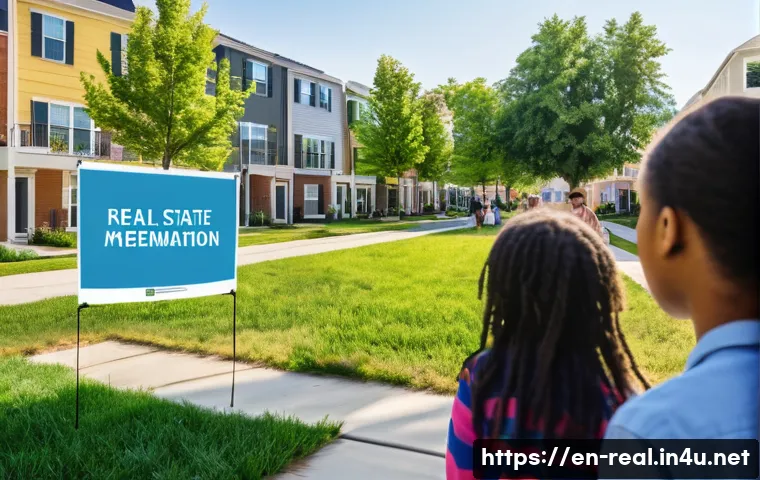
Among these, the real estate license stands out as a key driver of social trust and economic stability, ensuring that transactions are handled with transparency and professionalism.
Beyond personal career benefits, such certifications contribute to safer communities by promoting fair housing practices and informed property management.
Exploring the social impact of real estate licensing reveals how it supports both individuals and the broader society. Let’s dive deeper into this fascinating topic and uncover its true significance together!
The Role of Real Estate Licensing in Enhancing Consumer Confidence
Building Trust Through Verified Expertise
One of the most significant social benefits of holding a real estate license is the increased trust consumers place in licensed agents. When buyers or sellers engage with a licensed professional, they are assured that the agent has met rigorous educational and ethical standards.
This verification acts as a quality stamp, signaling that the individual is knowledgeable about market trends, legal requirements, and ethical obligations.
From my own experience working with licensed agents, I noticed that their guidance often prevents costly mistakes and misunderstandings, which ultimately leads to smoother transactions and happier clients.
Accountability and Ethical Standards
Licensing boards enforce strict codes of conduct, which hold real estate professionals accountable for their actions. This accountability is crucial because real estate transactions often involve significant financial and emotional investments.
Licensed agents must adhere to these standards or risk penalties, which promotes ethical behavior and discourages fraud or misrepresentation. In communities where licensing enforcement is robust, people tend to feel safer and more confident when buying or selling property, knowing that there are mechanisms in place to protect their interests.
Consumer Protection Mechanisms
Beyond just trust and ethics, real estate licensing provides a framework for consumer protection. Licensed agents are required to disclose material facts about properties, preventing hidden defects or misleading claims.
This transparency helps prevent disputes and litigation down the line. Additionally, many licensing authorities offer complaint resolution services, giving consumers a clear path to address grievances.
These protections contribute to a more transparent and fair housing market, benefiting society by reducing conflicts and fostering positive community relations.
Economic Stability Fostered by Real Estate Licensing
Promoting Fair and Transparent Marketplaces
Licensed real estate professionals contribute significantly to market stability by ensuring that property transactions are conducted fairly and transparently.
Their training equips them to accurately appraise property values, which helps prevent market bubbles caused by inflated prices. From what I’ve observed, when agents follow standardized procedures and legal requirements, the risk of speculative behaviors diminishes, creating a more balanced and reliable market environment that benefits both buyers and sellers.
Supporting Local Economies Through Professionalism
The ripple effect of licensed real estate professionals extends into local economies. Their expertise helps clients make informed decisions about buying, selling, or renting properties, which in turn drives economic activity such as home renovations, moving services, and local retail spending.
In neighborhoods with a high concentration of licensed agents, property values tend to stabilize or grow steadily, boosting tax revenues that support schools, infrastructure, and public services.
This economic vitality is a direct outcome of professional standards upheld by licensed agents.
Reducing Risks in Property Transactions
Property deals without proper oversight can lead to legal entanglements or financial losses for individuals and communities. Licensed agents minimize these risks by ensuring compliance with zoning laws, financing regulations, and contractual obligations.
Having worked alongside several licensed professionals, I’ve seen firsthand how their thoroughness in due diligence prevents costly delays and legal issues.
This risk mitigation not only protects individual investments but also preserves the overall health of the real estate market.
Fostering Fair Housing and Inclusive Communities
Enforcing Anti-Discrimination Laws
Real estate licensing bodies often require agents to undergo training on fair housing laws, which prohibit discrimination based on race, religion, gender, or other protected classes.
This education helps agents recognize and avoid biased practices, promoting equal access to housing opportunities. In my experience, when agents actively uphold these principles, it fosters more diverse and inclusive neighborhoods, contributing to social cohesion and reducing segregation.
Educating Agents on Cultural Competence
Beyond legal compliance, many licensing programs emphasize cultural competence and sensitivity training. These programs prepare agents to work effectively with clients from varied backgrounds, understanding their unique needs and preferences.
Agents equipped with this knowledge can better serve diverse populations, enhancing client satisfaction and building stronger community ties. It’s clear that this aspect of licensing plays a crucial role in bridging gaps and fostering mutual respect in multicultural societies.
Empowering Buyers and Renters with Knowledge
Licensed agents often take on an educational role, informing buyers and renters about their rights and responsibilities under fair housing laws. This empowerment helps individuals recognize discriminatory practices and seek recourse when necessary.
From talking to clients who have been guided by informed agents, I learned that this knowledge drastically improves their confidence and ability to navigate the housing market without fear or hesitation.
Professional Development and Continuous Learning in Real Estate
Mandatory Continuing Education Requirements
A key feature of real estate licensing is the requirement for ongoing education to maintain licensure. This ensures that agents stay current with changing laws, market conditions, and technology.
Having gone through some of these continuing education courses myself, I can attest to their value—they offer fresh insights and practical tools that help agents serve clients better and adapt to evolving industry demands.
Encouraging Specialization and Expertise
Licensing frameworks often support specialization within real estate, such as commercial properties, property management, or luxury homes. This encourages agents to develop deeper expertise in their chosen niches, enhancing the overall professionalism of the field.
I’ve noticed that agents with such specialized knowledge can provide more tailored advice, which benefits clients by addressing specific needs and maximizing outcomes.
Building a Network of Trusted Professionals
Licensing also facilitates connections among real estate professionals, creating networks that foster collaboration and knowledge sharing. These relationships lead to referrals, partnerships, and collective problem-solving that improve client experiences.
From personal interactions within these networks, I’ve seen how trust and mutual respect among licensed agents elevate industry standards and create more opportunities for everyone involved.
The Broader Social Benefits of Licensed Real Estate Agents

Contributing to Safer Neighborhoods
Licensed agents often play a role in maintaining community standards by working closely with local governments and residents. Their involvement in zoning decisions, neighborhood planning, and property upkeep helps ensure that communities remain safe and attractive.
Based on what I’ve witnessed in several neighborhoods, the presence of dedicated licensed agents correlates with lower crime rates and better-maintained properties, enhancing residents’ quality of life.
Enhancing Transparency in Property Management
Many licensed agents also engage in property management, where their professionalism directly impacts tenant satisfaction and landlord accountability.
Transparent communication, fair lease agreements, and timely maintenance are all hallmarks of licensed property managers. From conversations with tenants, I learned that having a licensed professional managing their homes greatly reduces stress and builds trust between tenants and landlords.
Supporting Affordable Housing Initiatives
Some licensed real estate professionals actively participate in affordable housing programs, helping bridge the gap for underserved populations. Their expertise ensures that these initiatives comply with regulations and reach the intended beneficiaries.
In communities where licensed agents contribute to such efforts, there is often greater success in creating sustainable housing options that uplift families and strengthen social fabric.
| Aspect | Social Benefit | Impact on Community |
|---|---|---|
| Verified Expertise | Increases consumer trust and reduces transaction errors | Smoother real estate transactions, fewer disputes |
| Ethical Standards | Promotes accountability and deters fraud | Enhanced market integrity and consumer protection |
| Fair Housing Training | Reduces discrimination and fosters inclusivity | More diverse, cohesive communities |
| Continuing Education | Keeps agents updated on laws and trends | Improved service quality and market adaptability |
| Community Involvement | Supports neighborhood safety and maintenance | Higher property values and better living conditions |
Technology Integration and Licensing Compliance
Adapting to Digital Transactions
With the rise of digital platforms in real estate, licensed agents are often required to understand and comply with new technologies, such as electronic signatures, online disclosures, and virtual tours.
This adaptation is critical for maintaining transparency and legal compliance in a rapidly changing landscape. In my dealings with tech-savvy agents, their fluency in these tools made transactions faster and more accessible, especially during times when in-person meetings were limited.
Cybersecurity and Data Privacy
Real estate professionals handle sensitive client information, making data security a top priority. Licensing authorities increasingly emphasize training on cybersecurity best practices to protect clients from identity theft and fraud.
Agents who take these precautions seriously build stronger reputations and foster greater client confidence, which benefits the entire industry by setting higher standards for privacy.
Leveraging Data for Market Insights
Licensed agents use data analytics tools to provide clients with accurate market reports, pricing strategies, and investment forecasts. This data-driven approach elevates the professionalism of the service and helps clients make smarter decisions.
From my perspective, agents who combine their licensing credentials with technological expertise deliver more value, setting themselves apart in a crowded market.
Licensing as a Catalyst for Career Growth and Social Responsibility
Opening Doors to Diverse Career Paths
Obtaining a real estate license is often the first step toward a variety of career opportunities beyond traditional sales, including appraisal, brokerage management, and real estate education.
This versatility allows individuals to build fulfilling careers while contributing positively to their communities. I’ve seen colleagues transition into these roles, leveraging their licensing foundation to expand their impact and income.
Encouraging Ethical Leadership
Licensed real estate professionals often emerge as community leaders, advocating for responsible development and housing policies. Their ethical training and community connections empower them to influence local decisions that affect housing affordability and neighborhood well-being.
From attending local meetings, I noticed how respected agents become trusted voices that balance economic growth with social equity.
Promoting Lifelong Commitment to Excellence
The licensing process instills a mindset of continuous improvement and responsibility. Agents who embrace this commitment tend to invest in their professional development and community engagement long term.
This dedication not only enhances their careers but also reinforces the social trust that makes real estate a cornerstone of stable, thriving communities.
In Conclusion
Real estate licensing plays a vital role in building trust, ensuring ethical practices, and protecting consumers. It not only fosters market stability but also promotes inclusive communities and professional growth. From my experience, licensed agents bring a level of expertise and accountability that benefits both individuals and society as a whole. Ultimately, licensing enhances the real estate industry’s integrity and supports stronger, safer neighborhoods.
Useful Information to Remember
1. Real estate licenses signal verified expertise, helping consumers avoid costly errors during transactions.
2. Licensing enforces ethical standards, which discourages fraud and builds confidence in the market.
3. Agents receive training on fair housing laws, promoting diversity and reducing discrimination in communities.
4. Continuing education ensures agents stay updated with evolving laws, technology, and market trends.
5. Licensed professionals often engage with community development, improving neighborhood safety and property values.
Key Takeaways
Licensing in real estate is more than a regulatory requirement; it’s a foundation for consumer protection, ethical accountability, and professional excellence. It empowers agents to provide transparent, informed services while fostering fair housing and economic stability. For buyers, sellers, and communities alike, working with licensed professionals means safer transactions, greater market confidence, and a commitment to ongoing growth and integrity within the industry.
Frequently Asked Questions (FAQ) 📖
Q: Why is obtaining a real estate license important beyond just advancing a career?
A: Getting a real estate license isn’t just about boosting your resume; it’s a commitment to ethical standards and professionalism that benefits the entire community.
Licensed agents are held to strict rules that promote transparency and fairness in property transactions, which helps build trust between buyers, sellers, and the market as a whole.
This trust reduces fraud and misunderstandings, creating safer, more stable neighborhoods where people feel confident in their investments.
Q: How does a real estate license contribute to economic stability in a community?
A: Licensed real estate professionals play a crucial role in maintaining economic stability by ensuring property transactions are handled properly and fairly.
When transactions are transparent and ethical, it supports a healthy housing market that attracts investment and encourages responsible property management.
This stability helps prevent sudden market crashes or inflated prices, which can disrupt communities. In my experience, communities with a high percentage of licensed agents tend to have more consistent property values and fewer legal disputes.
Q: Can real estate licensing help promote fair housing practices?
A: Absolutely. Real estate licenses require agents to follow fair housing laws designed to prevent discrimination based on race, religion, gender, or other protected characteristics.
Licensed agents receive training to recognize and avoid unethical practices, which helps ensure everyone has equal access to housing opportunities. From what I’ve seen working alongside licensed professionals, this commitment fosters more inclusive neighborhoods and helps protect vulnerable groups from unfair treatment during the buying or renting process.